simonapavan / Depositphotos.com
Lanark County is preparing a more aggressive plan to slow the spread of phragmites, an invasive plant that officials say is becoming an increasing threat to wetlands and other areas.
County council has asked staff to develop a two-year management plan aimed at reducing phragmites by 50 per cent. The plan would involve working with private landowners and local municipalities.
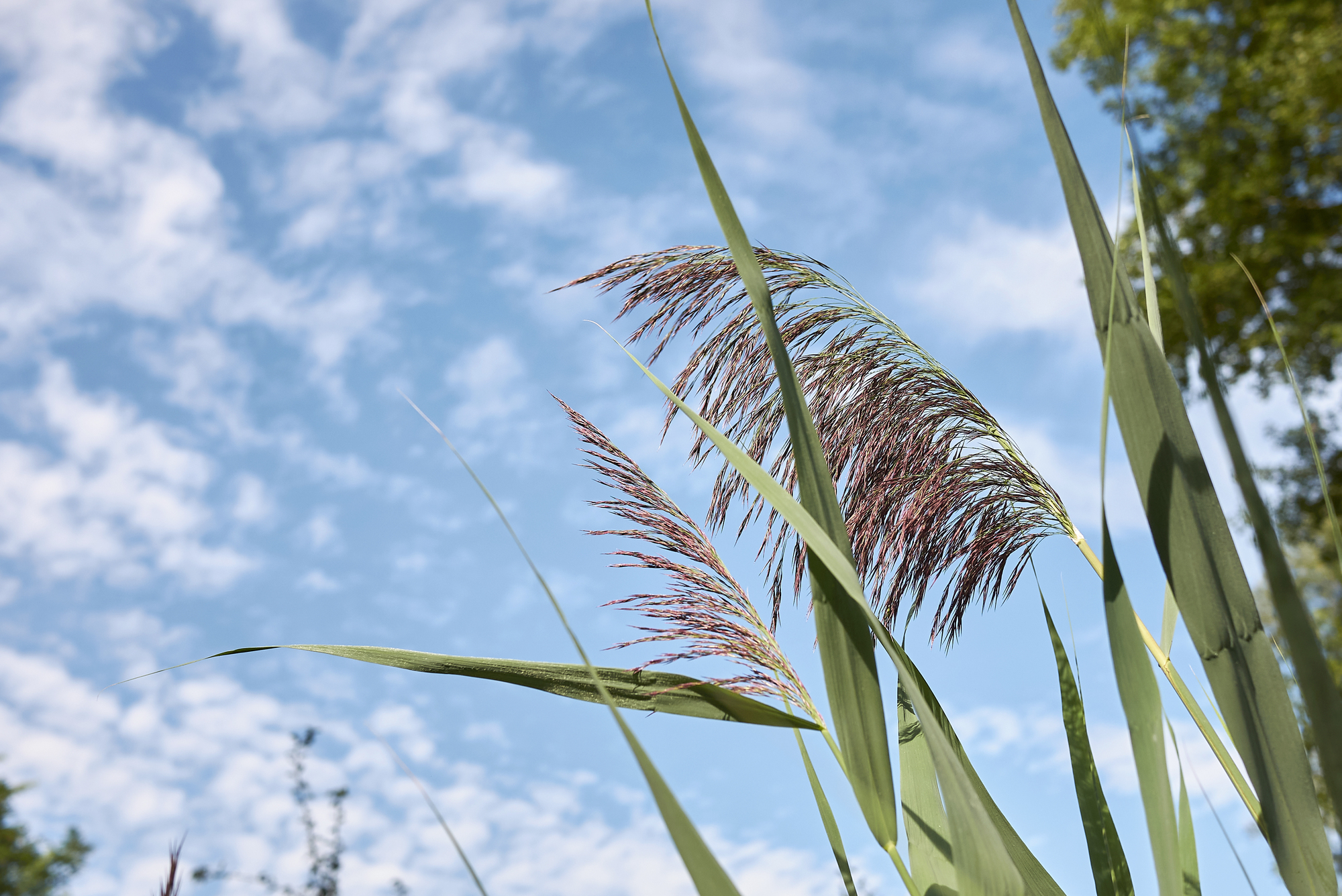
Phragmites, also known as European common reed, can grow up to five metres tall. County Climate and Environmental Coordinator Elizabeth Boldt says the plant can clog ditches, storm drains and agricultural tiles, contributing to flooding, property damage and reduced crop yields.
The plant can also crowd out other vegetation, restrict wildlife movement and limit shoreline access.
County staff have identified 165 phragmites cells along county roads and trails since 2018, with the number and size of the infestations continuing to grow.
Staff currently manage the plant through mowing, digging and herbicide treatments. The county plans to expand herbicide treatment to wet cells in 2026, with the required permits.
Large infestations could require treatment over several years, while landowner cooperation will be needed when plants spread onto private property.
Council will consider the management plan at a future meeting.
